Resource Webs Behind the Interface: Tracing How Support Channels and Policy Indexes Align Baccarat Guidelines with Platform Accountability Measures
Written by Xander Foster · Nov 4, 2026
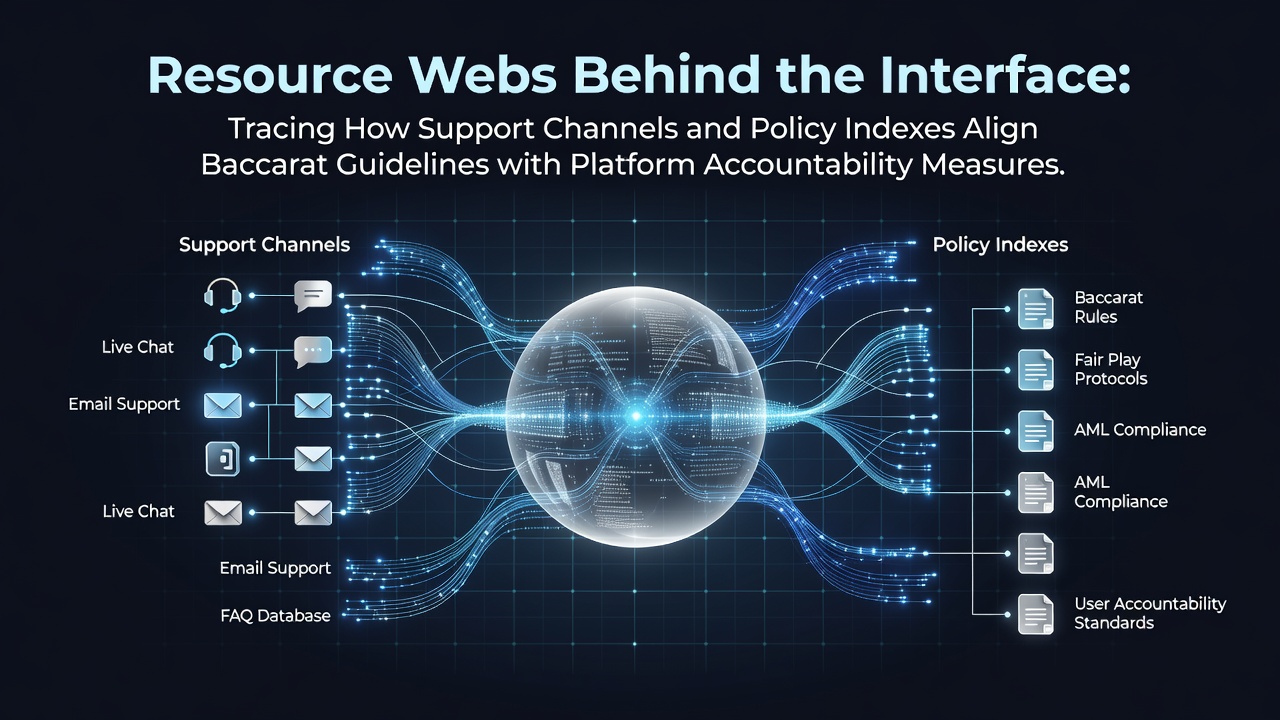
Resource Webs Behind the Interface: Tracing How Support Channels and Policy Indexes Align Baccarat Guidelines with Platform Accountability Measures
Digital platforms that offer baccarat maintain intricate networks of support channels and policy indexes, and these structures connect game guidelines directly to accountability standards enforced across multiple jurisdictions. Observers note that such alignments occur through layered documentation systems, which route player inquiries toward regulatory compliance records while maintaining traceability from individual game rules to broader platform obligations. Researchers have documented how these connections function in real time, particularly as operators update their internal indexes to reflect shifts in international gaming standards.
Mapping Support Channels to Core Guidelines
Support channels on baccarat platforms include live chat interfaces, email ticketing systems, and indexed knowledge bases that operators organize according to specific game mechanics such as card drawing protocols and payout structures. These channels route queries about table limits or betting sequences straight into policy documents that reference external regulatory benchmarks, and data from platform audits shows consistent cross-referencing between player questions and accountability metrics like transaction logging requirements. One study from the Nevada Gaming Control Board revealed that platforms using centralized indexes reduced response times for compliance-related inquiries by integrating rule explanations with audit trail references.
Policy indexes function as searchable directories that list baccarat guidelines alongside platform-level responsibilities, including age verification procedures and financial reporting obligations. Those who maintain these indexes update entries whenever new standards emerge, and the process ensures that support staff can retrieve aligned information without delay. Figures from industry reports indicate that operators in multiple regions perform index reviews on a quarterly cycle to keep pace with evolving requirements from bodies such as the Australian Communications and Media Authority.
Alignment Mechanisms Across Digital Environments
Platform accountability measures encompass data encryption standards, dispute resolution protocols, and periodic compliance reporting, while baccarat guidelines cover elements like shoe composition and third-card rules. Support channels bridge these areas by directing users to policy sections that demonstrate how game-specific procedures satisfy overarching accountability criteria. Researchers discovered that this bridging occurs through embedded hyperlinks within support responses, which connect individual guideline entries to aggregated compliance dashboards maintained by the operator.
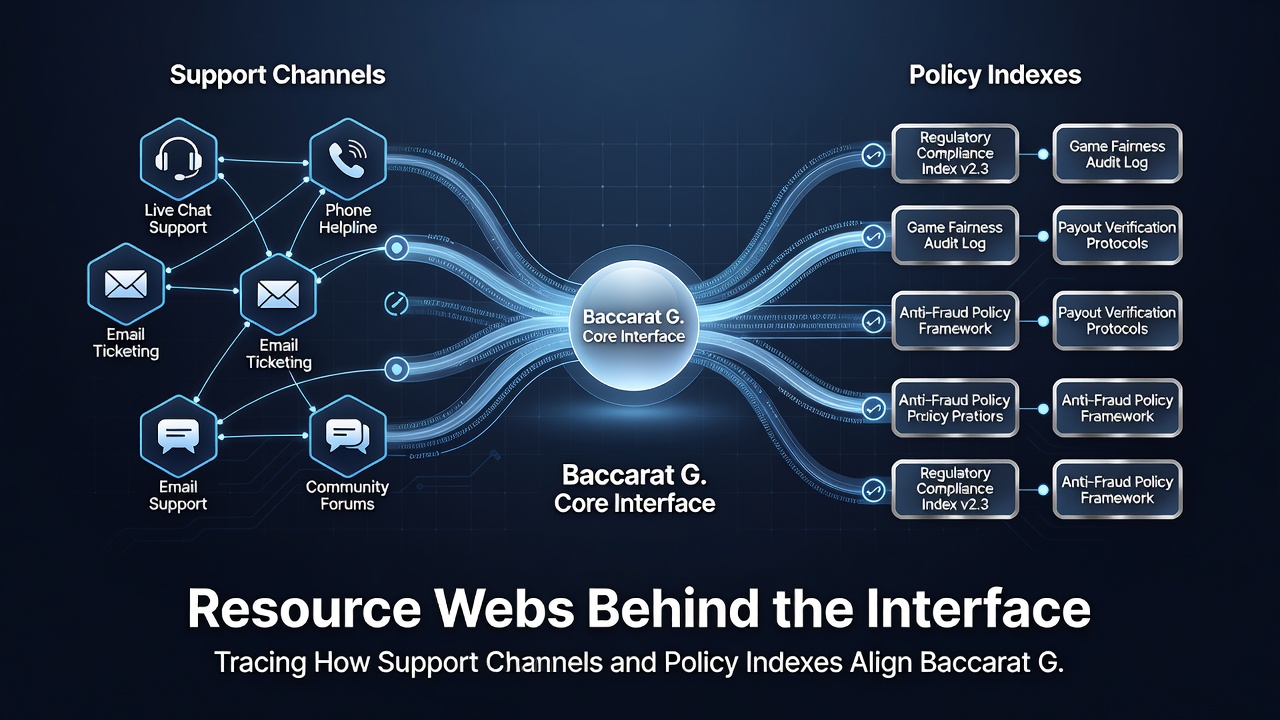
According to records maintained by the Nevada Gaming Control Board, platforms that synchronize their support documentation with policy indexes achieve higher rates of successful external audits. The synchronization process involves tagging each baccarat rule with corresponding accountability markers, such as those related to fair play verification and financial segregation requirements. In November 2026, several operators plan to implement updated indexing protocols ahead of scheduled regulatory reviews, which will further integrate real-time support logs with centralized compliance databases.
Regional Variations in Resource Structures
European platforms often structure their policy indexes around directives from the European Gaming and Betting Association, which emphasizes standardized reporting on player fund protection and game integrity checks. Support channels in these environments link baccarat guidelines to these directives through dedicated resource sections that outline how each game variant complies with cross-border accountability frameworks. Canadian operators, by contrast, reference guidelines from the Canadian Gaming Association in their indexes, and their support systems route inquiries about game rules toward documentation that demonstrates alignment with provincial licensing conditions.
Academic analyses of these regional approaches highlight the role of policy indexes in reducing duplication between game-specific rules and platform-wide obligations. Data collected across platforms shows that operators employing unified indexing systems report fewer discrepancies during multi-jurisdictional reviews. The connections become visible when support staff retrieve indexed entries that simultaneously address a baccarat payout query and reference the underlying accountability measure for transaction verification.
Conclusion
Resource webs formed by support channels and policy indexes continue to serve as the primary mechanism for aligning baccarat guidelines with platform accountability measures on digital systems. These structures enable precise tracing from individual game rules to regulatory expectations, and ongoing updates in November 2026 will likely strengthen the integration between real-time assistance and compliance documentation across diverse operating regions.