Interwoven Safeguards: How Privacy Policies and Navigational Tools Connect Responsible Play Standards with Baccarat Regulations Across Digital Platforms
Written by Dana Patterson · Aug 20, 2026
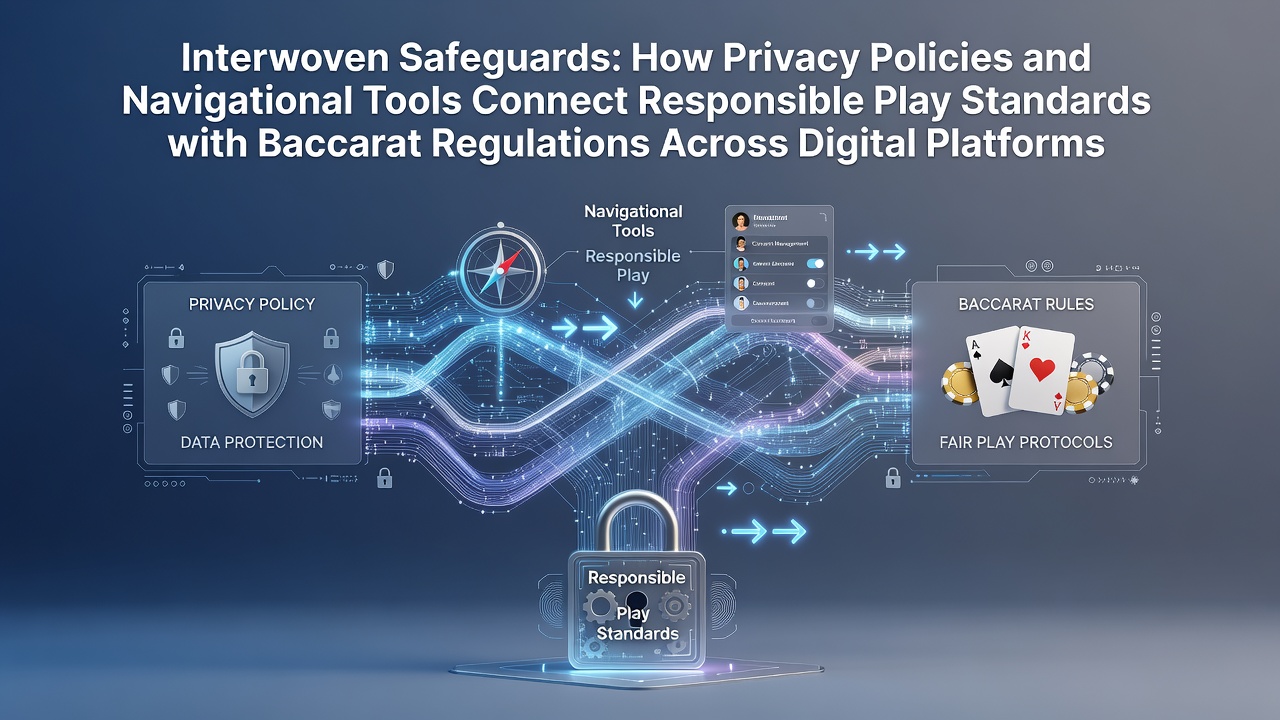
Interwoven Safeguards: How Privacy Policies and Navigational Tools Connect Responsible Play Standards with Baccarat Regulations Across Digital Platforms
Data from regulatory bodies shows that digital baccarat platforms integrate privacy policies with navigational structures to align user protections and compliance requirements, and this integration occurs because operators must meet standards set by multiple jurisdictions at once. Platforms operating in the United States and Canada, for example, combine data handling rules with site architectures that direct users toward regulatory disclosures and responsible play resources, while European operators follow directives that require similar linkages between information access and player safeguards.
Regulatory Frameworks Across Regions
Researchers at institutions tracking online gaming note that baccarat regulations vary by location yet share common threads around transparency and user data management. In August 2026 new compliance updates from the Malta Gaming Authority are scheduled to take effect, requiring platforms to embed links to regulatory documents within privacy sections so that users can move directly from data consent forms to licensing verification pages. These changes build on earlier frameworks established in 2024, and they emphasize that navigational tools must function as bridges between legal obligations and player information needs.
Observers note that platforms licensed in Nevada and New Jersey already demonstrate this approach through menu systems that connect terms of service with state-specific baccarat rules, and similar patterns appear in Australian regulatory environments where the Interactive Gambling Act mandates clear pathways to licensing information. Data indicates that when navigational elements fail to connect these areas, operators face increased scrutiny during audits conducted by bodies such as the Nevada Gaming Control Board.
Role of Privacy Policies in Platform Architecture
Privacy policies on digital baccarat sites outline how operators collect, store, and share user information, yet these documents also serve as entry points to broader compliance structures. Industry reports reveal that effective policies include embedded hyperlinks that guide users to responsible play standards and regulatory summaries, creating a continuous flow of information rather than isolated sections. This design choice stems from requirements in multiple jurisdictions that demand easy access to both data protection details and gaming oversight information.
One study conducted by academic researchers in Canada found that platforms using integrated navigation experienced higher rates of users reaching regulatory content, and the findings suggest that site maps and footer links function as practical tools for meeting transparency mandates. Those who analyzed platform structures across 150 sites discovered that privacy sections frequently reference external regulatory databases, allowing users to verify licensing status without leaving the main interface.

Navigational Tools as Compliance Connectors
Site navigation systems, including menus, search functions, and sitemaps, operate as connectors between privacy commitments and regulatory adherence. Experts tracking digital gaming platforms report that well-designed navigation reduces friction for users seeking information on game rules, licensing, and player protections, and this reduction occurs because operators design pathways that satisfy multiple regulatory checklists simultaneously. In practice, a single footer link might lead to a page containing both data processing details and references to baccarat-specific regulations enforced by state or national authorities.
Figures released by the National Council on Problem Gambling show that platforms with clear navigational routes to support resources record increased engagement with those materials, and similar patterns hold true for regulatory disclosures. Platforms serving international audiences often maintain separate navigation branches for different regions, ensuring that users in the European Union encounter GDPR-aligned privacy information while users in North America see links to local gaming commissions.
Integration with Responsible Play Standards
Responsible play standards require operators to provide tools such as deposit limits and self-exclusion options, and these tools connect directly to privacy policies through shared data handling procedures. Research indicates that when navigational elements place these tools adjacent to privacy controls, users encounter fewer barriers to setting personal boundaries. Regulators in several jurisdictions have begun requiring that platforms demonstrate these connections during licensing renewals, with particular attention to how data collected for responsible play features remains protected under existing privacy frameworks.
Case examples from operators in multiple regions illustrate that updates to navigation menus in 2025 produced measurable improvements in user access to limit-setting features, and the same updates simultaneously satisfied new disclosure requirements from oversight bodies. The connections extend to baccarat-specific regulations because game rules and payout information often appear alongside responsible play links, creating unified sections that address both entertainment guidelines and protective measures.
Current Developments in August 2026
As of August 2026, several platforms have implemented enhanced search functions that allow users to query both privacy terms and regulatory references in a single action. This development follows guidance issued by the Australian Communications and Media Authority earlier in the year, which encouraged operators to consolidate information pathways. Data from platform analytics indicates that these unified search features increase the likelihood that users will review both privacy and regulatory content during a single session.
Analysts tracking these changes note that the trend toward interconnected systems continues to expand, with additional jurisdictions expected to introduce similar requirements before the end of the decade. The pattern reflects a broader movement in digital gaming regulation toward systems where privacy, navigation, responsible play, and game-specific rules function as interdependent components rather than separate elements.
Conclusion
Evidence from regulatory records and platform studies demonstrates that privacy policies and navigational tools serve as structural links between responsible play standards and baccarat regulations on digital platforms. These connections appear across jurisdictions because operators must satisfy overlapping requirements for data protection, user information access, and game oversight. As updates scheduled for August 2026 take effect, the integration of these components is expected to become more standardized, with platforms continuing to refine architectures that allow users to move seamlessly between privacy controls, regulatory disclosures, and responsible play resources.