Hidden Threads: Tracing How Site Maps and Inquiry Channels Reinforce Protection Standards Across Virtual Table Game Platforms
Written by Sofia Becker · Nov 4, 2026
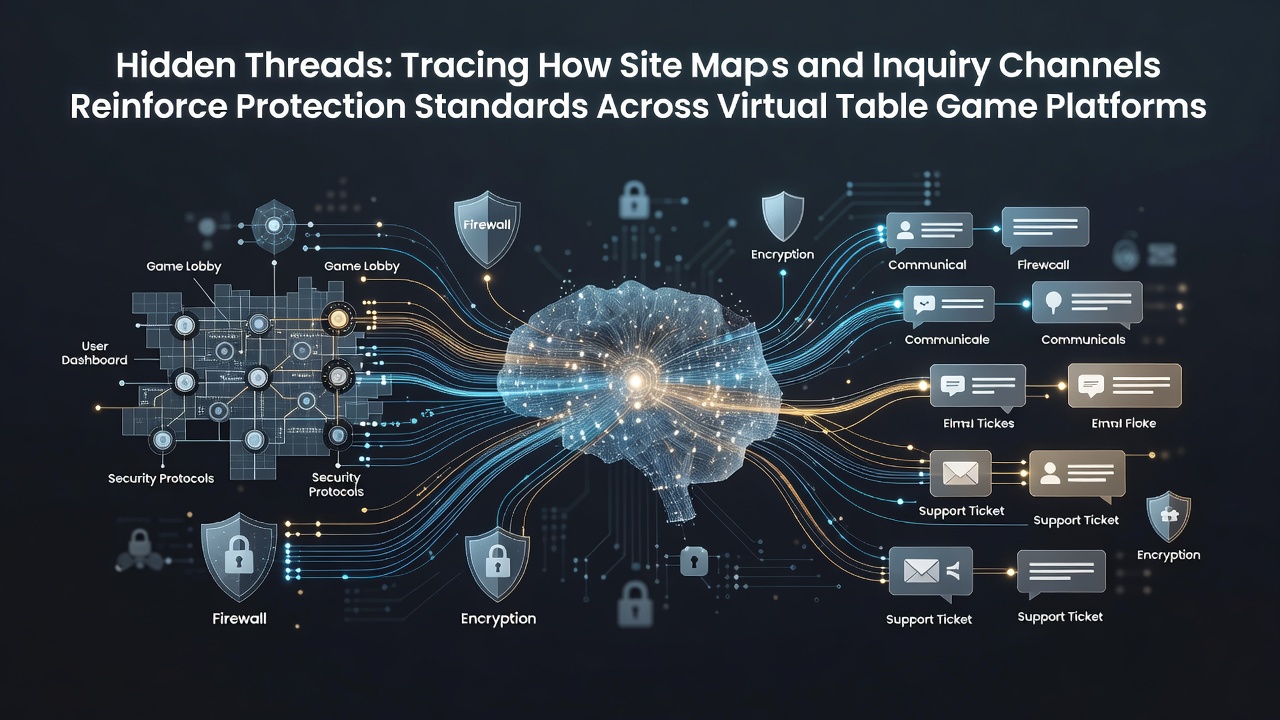
Hidden Threads: Tracing How Site Maps and Inquiry Channels Reinforce Protection Standards Across Virtual Table Game Platforms
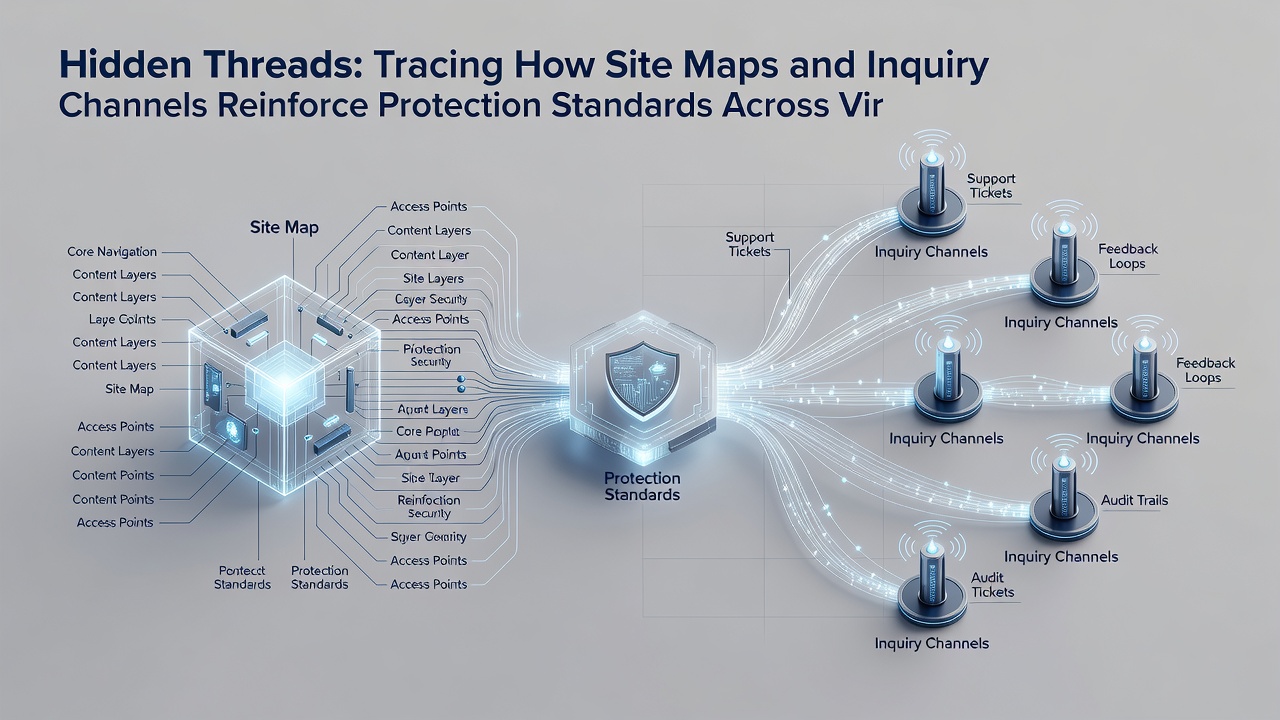
Site maps function as structured indexes that organize platform resources into clear categories while inquiry channels such as contact forms, live support interfaces and FAQ sections provide direct pathways for users seeking clarification on rules and safeguards. These elements work together to direct participants toward documented standards for data handling, age verification and responsible participation limits across virtual table game environments. Observers note that when users navigate from a main hub to sections labeled "security protocols" or "player protections," they encounter links that reference regulatory frameworks without requiring separate external searches. Platform operators integrate these navigational tools to align internal policies with external compliance requirements, and data from industry analyses shows that well-organized indexes reduce the time users spend locating verification procedures or dispute resolution steps. In practice, a sitemap entry pointing to "account security measures" often connects directly to inquiry options where users submit questions about transaction encryption or session monitoring, which in turn feeds into automated responses that restate policy commitments.Structural Pathways in Resource Organization
Researchers have examined how hierarchical listings in site maps create logical flows from general game rules to specific protection mechanisms, and studies indicate this layout helps users locate self-exclusion tools or deposit limit settings within fewer clicks. Inquiry channels complement these maps by offering text-based or chat-based entry points that log user queries and route them to relevant policy documents, thereby reinforcing consistent application of standards across multiple table game formats including blackjack variants and poker derivatives.
One study revealed that platforms updating their sitemaps in early 2025 to include dedicated "compliance resources" sections observed measurable increases in user access to terms covering fair play algorithms and data retention periods. These updates occurred alongside broader industry shifts toward unified reporting formats, and figures from regulatory filings demonstrate that streamlined inquiry routing correlates with faster resolution times for account-related concerns.
Integration with Broader Regulatory Frameworks
Virtual table game platforms operating under multi-jurisdictional licenses must map their content to match varying regional requirements, and this process involves cross-referencing sitemap entries with official guidelines from bodies such as the National Council on Problem Gambling in the United States and the Malta Gaming Authority. Inquiry channels then serve as verification points where users confirm they have reviewed updated policies before proceeding with deposits or withdrawals.
Data compiled in November 2026 by European research consortia highlighted how platforms that embed protection links within both sitemaps and support menus achieve higher rates of policy acknowledgment during account creation flows. Those findings drew on aggregated platform metrics showing reduced instances of repeated queries about the same safeguards once users followed structured navigational paths.
Case Examples from Platform Operations
Take one operator that restructured its resource index in mid-2025 to group all responsible participation tools under a single parent category; subsequent internal reports documented a rise in users completing self-assessment questionnaires after following those map links. Inquiry logs from the same period revealed that questions about cooling-off periods decreased once FAQ entries were cross-linked to the updated sitemap, demonstrating how these channels reinforce each other without direct intervention.
Another platform serving markets in Canada and Australia adjusted its contact routing system to prioritize policy-related inquiries, and records indicate this change aligned with new transparency reporting standards introduced by provincial regulators. Observers tracking these adjustments found that users who initiated support tickets through mapped pathways received responses that explicitly referenced both local statutes and platform-specific implementations of those rules.
Technical Mechanisms Behind Alignment
Backend systems powering sitemaps often generate XML files that search engines and internal crawlers use to index protection-related pages, while inquiry channels rely on ticket management software that tags submissions according to predefined categories such as "verification issues" or "limit adjustments." When these tags match entries already present in the sitemap, automated workflows push relevant policy excerpts to users, creating a closed loop that strengthens adherence to established benchmarks.
Evidence from platform audits conducted through 2026 shows that consistent tagging across both tools reduces discrepancies between stated policies and actual user experiences. Analysts tracking these patterns note that platforms maintaining synchronized updates between maps and support databases experience fewer compliance flags during periodic reviews by oversight bodies.
Conclusion
Site maps and inquiry channels together form interconnected structures that guide users through the layers of protection standards governing virtual table game platforms. Their combined operation supports consistent access to verification procedures, policy documentation and support resources across different regulatory environments. Ongoing refinements in indexing and routing methods continue to shape how these tools maintain alignment with evolving operational requirements in the sector.