Charting Resource Pathways: How Navigational Structures and Data Protocols Guide Secure Participation in Virtual Card Game Environments
Written by Dana Patterson · Oct 7, 2026
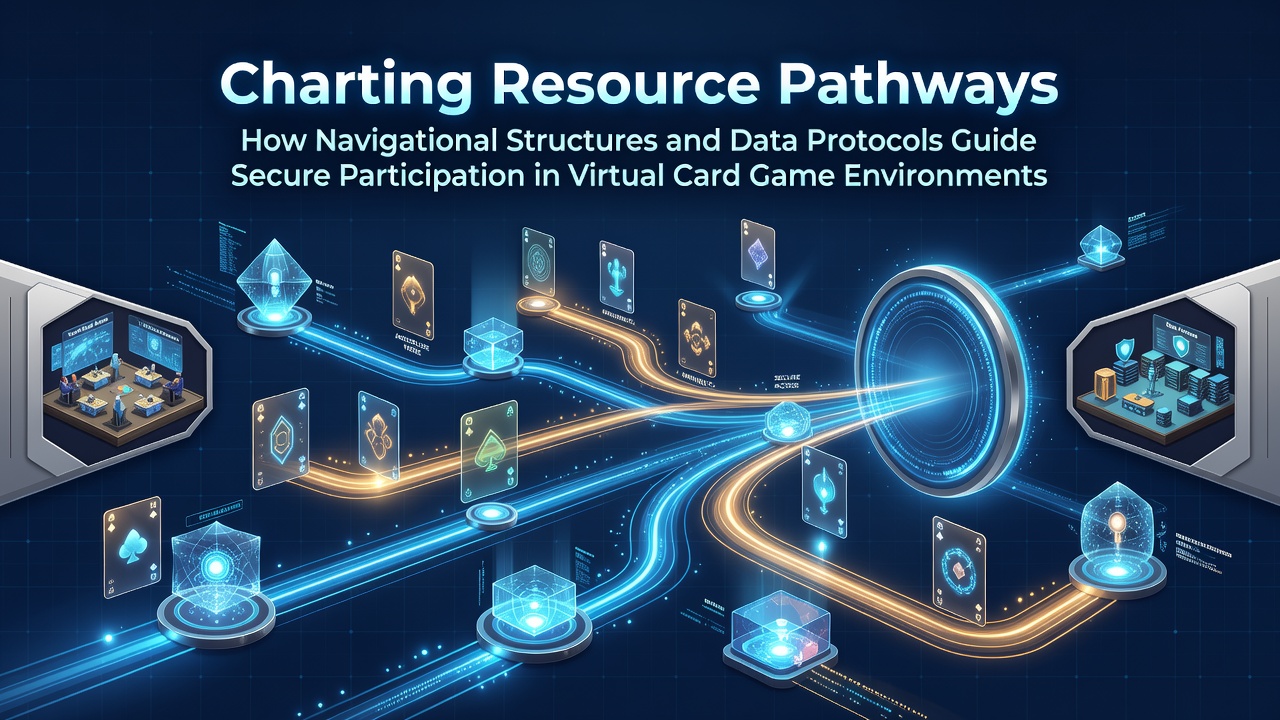
Charting Resource Pathways: How Navigational Structures and Data Protocols Guide Secure Participation in Virtual Card Game Environments
Virtual card game environments rely on structured navigational frameworks that direct users through registration, gameplay, and account management while embedding security checkpoints at each stage, and these frameworks connect with data protocols that encrypt transmissions and verify identities in real time. Observers note that such systems have expanded significantly as platforms processed millions of transactions monthly during 2025, with further refinements documented in October 2026 when several operators integrated updated authentication layers across their interfaces.
Navigational Structures as Entry Points
Clear menu hierarchies and sitemap designs allow participants to locate game lobbies, rule explanations, and support sections without unnecessary redirects, which in turn reduces exposure to phishing attempts that often mimic legitimate pathways. Researchers at institutions studying digital interaction patterns have tracked how intuitive layouts correlate with lower rates of accidental data entry errors, since users follow predictable sequences from login to session start. In practice, one major platform deployed a revised dashboard in early 2026 that grouped security settings alongside game selection, and subsequent audits showed a measurable drop in unauthorized access reports.
These structures also incorporate progress indicators and contextual help prompts that guide users toward verification steps, such as two-factor authentication prompts placed directly after initial account creation. Data from industry reports indicate that platforms employing layered navigation experienced fewer support tickets related to lost credentials because users encountered recovery tools at logical points in their journey.
Data Protocols Underpinning Secure Flows
Encryption standards and session management protocols operate alongside navigational tools to protect information exchanged during card game sessions, with protocols like TLS 1.3 ensuring that details such as bet amounts and player choices remain confidential between client and server. Studies conducted by research teams at technical universities have examined how protocol compliance affects latency, revealing that optimized implementations maintain sub-second response times while upholding integrity checks on every data packet.
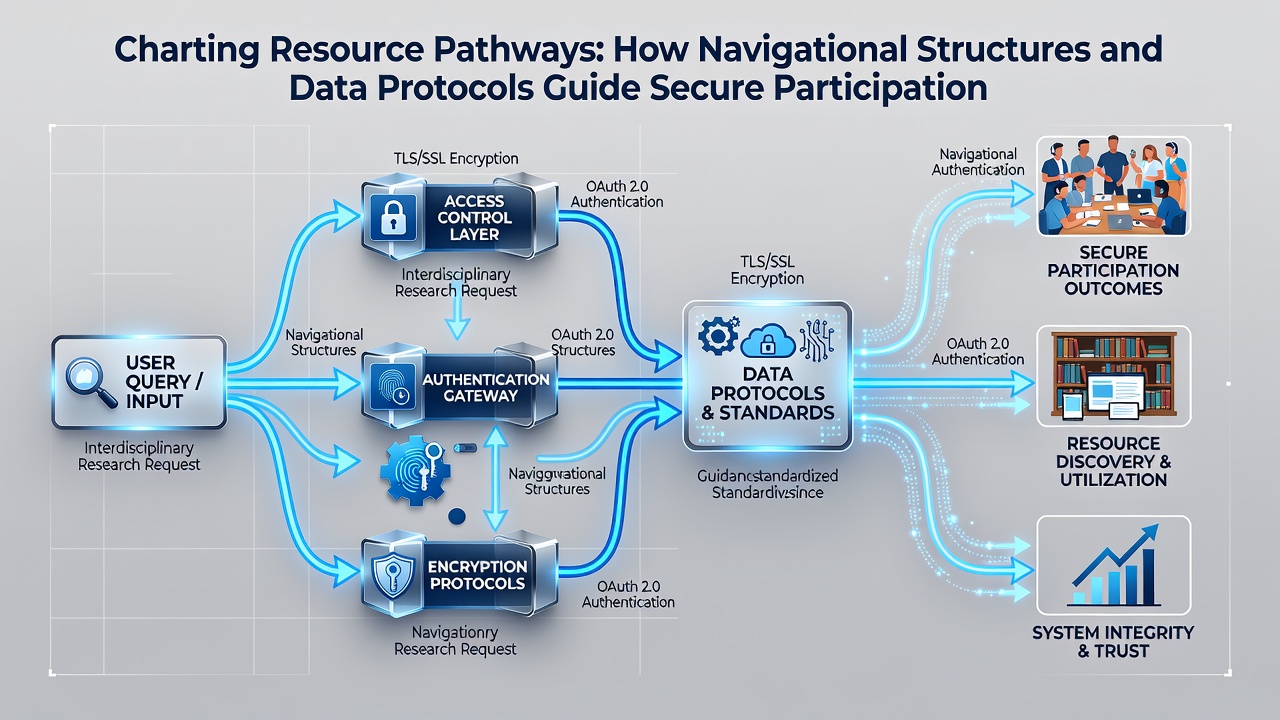
Authentication mechanisms tied to these protocols require periodic token refreshes that align with navigation events, such as moving from a lobby to a specific table, thereby confirming that the session remains active and untampered. Figures released by the International Center for Responsible Gaming show that environments using synchronized protocol and navigation updates reported fewer session hijacking incidents compared with earlier configurations. And yet the process continues to evolve as operators test new key exchange methods that further shorten vulnerability windows during high-volume periods.
Integration Across Platforms and Regions
Operators in multiple jurisdictions coordinate navigational elements with data handling rules to meet local requirements while preserving consistent user experiences, and this coordination appears in shared technical standards adopted by associations representing gaming technology providers. One collaborative project completed in mid-2026 examined how unified protocol sets reduced cross-border compliance friction, allowing participants from different regulatory zones to access teh same game servers under equivalent security guarantees. Those involved documented that navigational consistency helped users recognize familiar security prompts regardless of their location, which supported smoother onboarding sequences.
Case examples include platforms that embedded protocol status indicators within navigation bars, giving users visible confirmation that their connection met current encryption benchmarks before gameplay commenced. Such features draw from guidelines issued by bodies like the Government of Canada digital services, where emphasis on transparent security communication has informed similar approaches in entertainment software.
Monitoring and Adaptation in Practice
Continuous logging of navigation patterns combined with protocol performance metrics enables operators to identify anomalies quickly, such as unusual routing requests that might signal attempted interference. Technical teams review aggregated data streams that highlight where users pause or deviate, then adjust menu flows or protocol thresholds accordingly without disrupting active sessions. Evidence from platform reports compiled through October 2026 demonstrates that these adaptive measures maintained uptime above 99 percent across monitored environments while sustaining security certification levels.
Training modules for platform staff further reinforce the connection between navigational design choices and protocol enforcement, ensuring that updates in one area trigger corresponding reviews in the other. This integrated oversight model has become standard among larger operators that manage multiple card game titles simultaneously.
Conclusion
Navigational structures and data protocols together form the operational backbone that channels users through virtual card game environments while preserving session security, and their combined application continues to shape how platforms handle participation at scale. As refinements accumulate, the emphasis remains on maintaining verifiable pathways and protected data exchanges that align with evolving technical benchmarks across regions.